
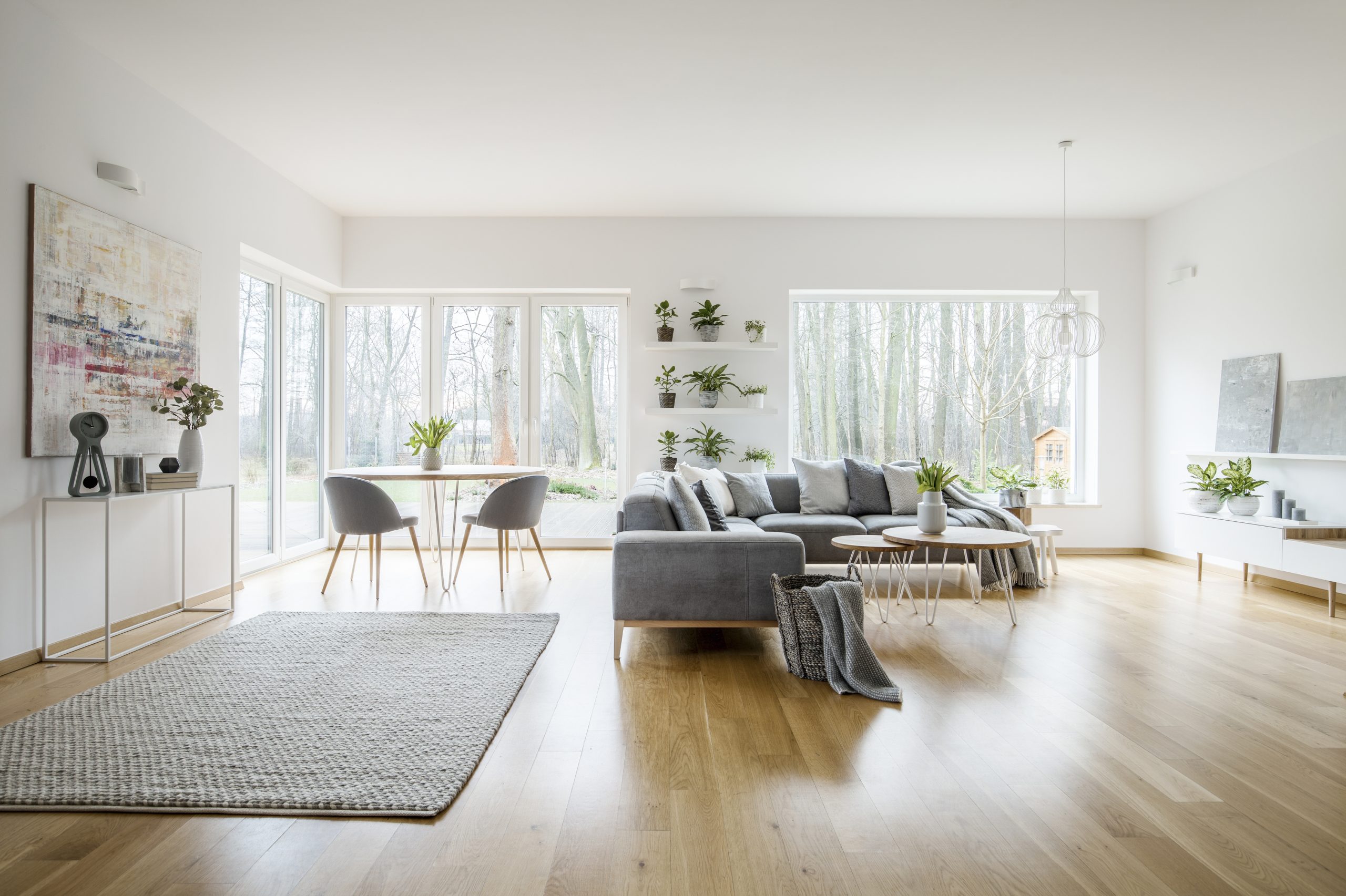
Natural light can completely change the way a home looks and feels.
A bright room often feels larger, more welcoming, and more comfortable than a darker space. Sunlight highlights colors, adds depth to architectural features, and creates a connection between indoor and outdoor living. Beyond aesthetics, natural light can influence energy usage, productivity, mood, and even the perceived value of a home.
For homeowners considering renovations, natural light is often one of the most overlooked factors. While paint colors, flooring, and furniture receive significant attention, windows frequently have the greatest influence on how a space feels throughout the day.
Let’s explore why natural light matters and how thoughtful window choices can help maximize its benefits.
Why Natural Light Matters
Natural light affects more than visibility. It shapes how we experience a room.
Homes with abundant daylight often feel:
- More open and spacious
- More inviting and comfortable
- More connected to the outdoors
- More modern and updated
Even modest amounts of additional sunlight can dramatically change the atmosphere of a room.
This is one reason many homeowners prioritize larger windows, updated window styles, and improved window placement when remodeling their homes.
The Design Benefits of Natural Light
Interior designers frequently consider natural light one of the most important elements in any space.
Rooms Feel Larger
Natural light helps eliminate dark corners and visual barriers.
A well-lit room often appears larger than it actually is because sunlight creates depth and openness throughout the space.
This effect can be particularly valuable in:
- Smaller living rooms
- Bathrooms
- Hallways
- Kitchens
- Home offices
Colors Appear More Accurate
Paint colors, flooring materials, fabrics, and furnishings all look different depending on lighting conditions.
Natural daylight reveals colors more accurately than artificial lighting and allows textures and materials to stand out.
This is one reason showrooms often emphasize large windows and natural light when displaying products.
Architectural Features Stand Out
Sunlight naturally draws attention to:
- Crown molding
- Built-in shelving
- Fireplace surrounds
- Decorative trim
- Unique ceiling details
A room with proper daylight often feels more visually interesting without requiring additional décor.
The Health Benefits of Natural Light
Natural light does more than improve appearance.
Studies have shown that exposure to daylight may help support:
- Healthy sleep cycles
- Improved mood
- Increased productivity
- Better focus and concentration
- Reduced feelings of stress
This is one reason home offices, kitchens, and living spaces often benefit from maximizing available daylight whenever possible.
Many homeowners find that brighter rooms naturally become the most frequently used spaces in the home.
How Windows Influence Natural Light
Windows serve as the primary gateway for daylight entering a home.
The size, style, placement, and condition of your windows all influence how much light reaches your interior spaces.
Window Size Matters
Larger windows generally allow more sunlight to enter a room.
Popular options include:
These styles can dramatically increase daylight while creating expansive outdoor views.
Window Placement Matters
Strategically placed windows can distribute sunlight more effectively throughout a room.
For example:
- South-facing windows often receive the most sunlight throughout the day.
- East-facing windows provide bright morning light.
- West-facing windows capture afternoon and evening sunlight.
- North-facing windows typically offer softer, more consistent illumination.
Understanding room orientation can help homeowners make smarter design decisions when planning renovations.
Older Windows May Reduce Natural Light
Over time, windows can develop issues that affect both appearance and performance.
Examples include:
- Fogged glass
- Damaged seals
- Discolored frames
- Condensation between panes
- Aging window designs
Replacing older windows can improve both visibility and the amount of natural light entering a space.
Designing Around Natural Light
Homeowners can maximize available daylight through thoughtful design choices.
Choose Lighter Colors
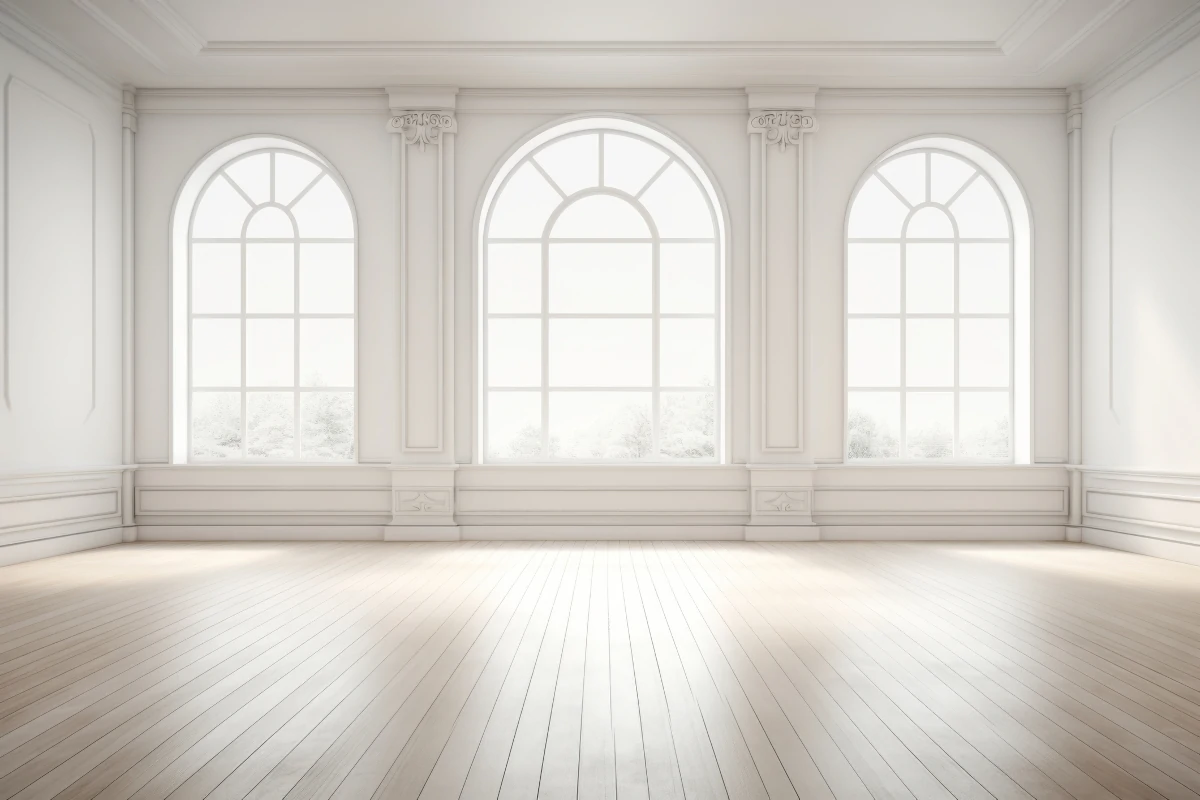
Light-colored walls, ceilings, and furnishings reflect sunlight more effectively than darker surfaces.
Popular choices include:
- Soft whites
- Warm neutrals
- Light grays
- Pale earth tones
These colors help amplify natural light and create a brighter atmosphere.
Use Reflective Surfaces
Mirrors, glass accents, and metallic finishes can help distribute light throughout a room.
Strategically placed mirrors opposite windows are one of the simplest ways to make a room feel brighter and larger.
Avoid Blocking Windows
Large furniture pieces positioned directly in front of windows can limit daylight.
Whenever possible:
- Keep window areas open
- Use lower-profile furnishings
- Select window treatments that allow light to pass through
Small adjustments can make a noticeable difference.
Natural Light in Different Areas of the Home
Living Rooms
Living rooms benefit from abundant daylight because they serve as gathering spaces for family and guests.
Picture windows, bay windows, and larger window openings can help create a bright, welcoming environment.
Kitchens
Natural light can make kitchens feel cleaner, larger, and more functional.
Well-lit kitchens often appear more inviting and can make everyday tasks easier.
Home Offices
Access to natural light may improve focus and productivity throughout the workday.
Many homeowners now prioritize daylight when designing home office spaces.
Bedrooms
While bedrooms require flexibility for sleeping, natural light during waking hours can create a calm and relaxing atmosphere.
Layered window treatments often provide the best balance between daylight and privacy.
Balancing Light and Energy Efficiency
More glass does not necessarily mean sacrificing efficiency.
Modern replacement windows are designed to maximize natural light while helping maintain indoor comfort.
Advanced window technologies may include:
- Low-E glass coatings
- Multi-pane glass systems
- Argon gas fills
- Improved weather sealing
- Energy-efficient frame materials
These features help homeowners enjoy sunlight without significantly increasing heating and cooling demands.
Could Replacement Windows Improve Natural Light?
If your home feels darker than you’d like, your windows may be part of the reason.
Modern replacement windows can help:
- Increase visible glass area
- Improve clarity and views
- Reduce obstructions from bulky frames
- Enhance energy efficiency
- Improve overall appearance
For homeowners exploring replacement options, understanding window styles, materials, energy performance, and installation considerations can be an important first step.
Our comprehensive Window Replacement Guide provides a detailed overview of everything homeowners should know before choosing new windows.
Bringing More Light Into Your Home
Natural light remains one of the most effective ways to enhance a home’s appearance, comfort, and livability.
Whether you’re redesigning a single room or planning a larger renovation, paying attention to daylight can dramatically improve the results.
By combining thoughtful interior design with high-quality replacement windows, homeowners can create brighter, more welcoming spaces that feel beautiful throughout the year.
