
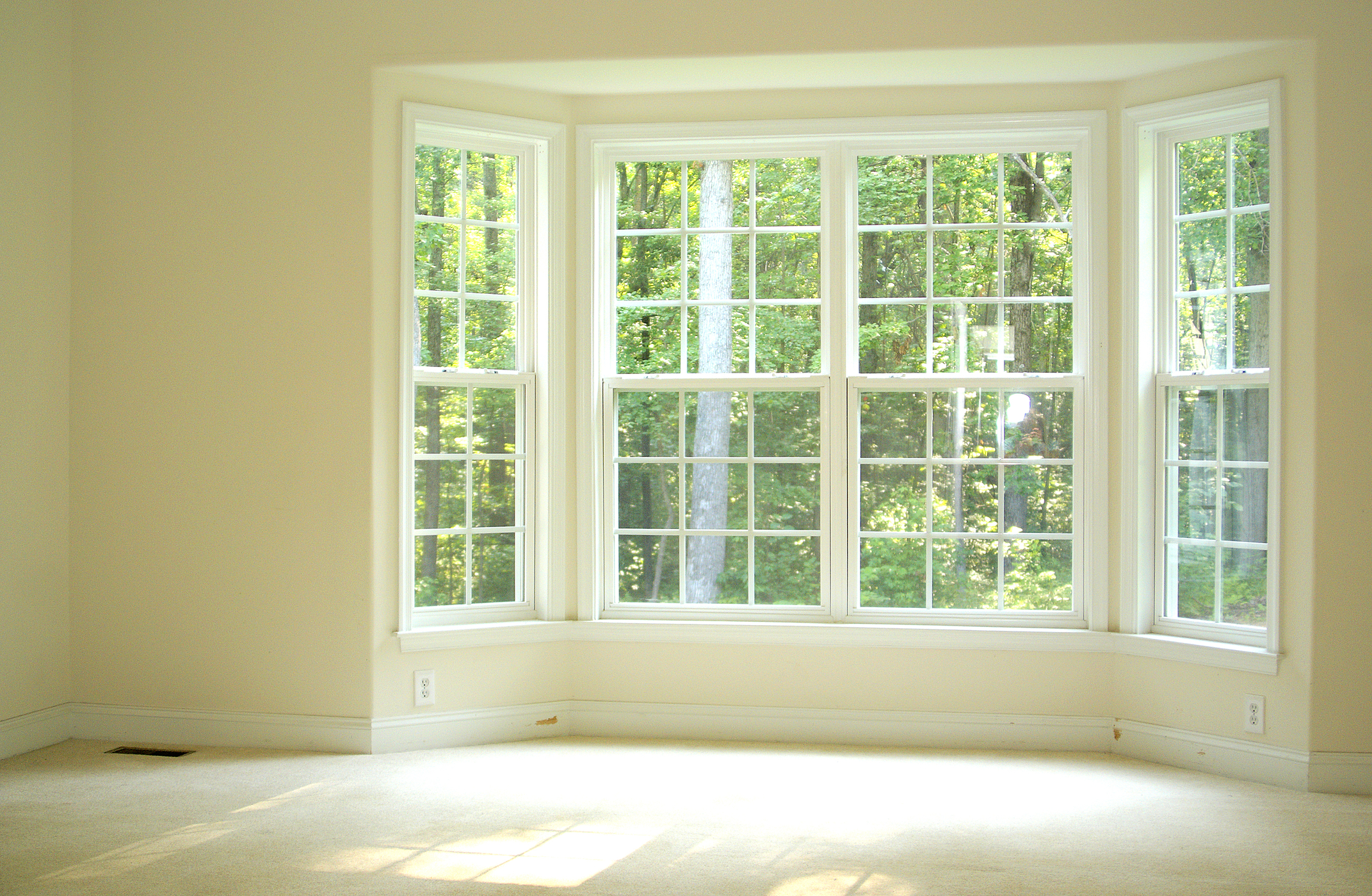
You get three quotes for new windows.
Two of them are in the same ballpark. The third? Way lower.
At first, it feels like a win. Like you just found the smart option everyone else missed.
But then a small voice creeps in: Why is this one so much cheaper?
It’s a fair question—and one that most homeowners don’t get a straight answer to.
Because the truth is, cheap windows aren’t always a bad choice… but they’re rarely a simple one either.
Let’s walk through what’s really going on behind those lower price tags—and what it means for your home long after installation day is over.
What “Cheap Windows” Actually Means (It’s Not Just the Price)
When people say “cheap windows,” they usually mean one thing: lower cost upfront.
But price is just the surface. Underneath it, there are usually a few trade-offs happening quietly in the background.
Most budget-friendly windows cut costs in one or more of these areas:
- Frame materials that are thinner or less durable
- Basic glass packages with limited insulation
- Simpler manufacturing processes with less quality control
- Shorter or more limited warranties
- Faster, less detailed installation methods
None of that sounds dramatic on its own. In fact, some of it might seem perfectly reasonable.
But here’s the catch—those small compromises tend to stack up over time.
Where Cheap Windows Save Money (And Why That Matters Later)
On paper, saving a few hundred dollars per window can look like a no-brainer. But the savings usually come from very specific places.
Materials
Lower-cost windows often use lighter, thinner framing materials. That doesn’t mean they’ll fall apart immediately—but they may not hold up as well over time, especially with temperature changes.
Glass Technology
This is a big one.
Higher-quality windows typically include features like:
- Double or triple-pane glass
- Low-E coatings
- Gas fills for insulation
Cheaper windows may skip or simplify these features, which directly affects how well they keep heat in (or out).
Seals and Insulation
The seals around the glass are what keep moisture and air where they belong. Lower-end windows are more prone to seal failure, which can lead to fogging, drafts, and reduced efficiency.
Installation Shortcuts
Sometimes the cost savings isn’t even in the window—it’s in the install.
Quick installs, minimal adjustments, or skipping key steps can save time and money upfront… but can cause problems later that are much harder (and more expensive) to fix.
The Real Cost of Cheap Windows (What No One Explains Upfront)
Here’s where things start to shift.
Because while cheap windows cost less on day one, they often cost more over time—in ways that aren’t always obvious right away.
Higher Energy Bills
If your windows aren’t insulating properly, your HVAC system has to work harder to keep your home comfortable.
That shows up month after month on your energy bill.
Reduced Comfort
This is the part people notice first.
Rooms that feel too hot in the summer. Too cold in the winter. Drafts near the windows that never quite go away.
It’s not dramatic—it’s just… annoying. Every day.
Shorter Lifespan
Lower-quality materials and seals tend to wear out faster.
Which means instead of replacing your windows once and being done for years, you might find yourself dealing with repairs—or even full replacement—sooner than expected.
Noise and Air Quality
Windows don’t just affect temperature. They also play a role in how much outside noise and air make their way inside.
Cheaper windows often do less to block sound and airborne particles, which can impact how your home feels overall.
Here’s the honest takeaway:
Cheap windows don’t always cost less—they just delay the cost.
When Cheap Windows Might Make Sense
To be fair, there are situations where going with a lower-cost option can be the right move.
For example:
- Rental properties where long-term performance isn’t the top priority
- Short-term plans if you’re selling your home soon
- Low-impact areas like garages or basements
- Tight budgets where something is better than nothing
There’s nothing wrong with working within your budget. The key is understanding what you’re trading off so you can make that decision intentionally.
The Middle Ground Most Homeowners Miss
A lot of people assume the choice is binary: cheap windows or expensive ones.
But in reality, the best value usually sits somewhere in the middle.
Mid-range windows often strike the right balance between:
- Performance
- Durability
- Energy efficiency
- Cost
They’re not the cheapest option—but they’re also not overbuilt for what most homes actually need.
And when paired with proper installation, they tend to deliver the best long-term return.
It’s less about finding the lowest price… and more about avoiding future regret.
How to Tell If a Window Is “Too Cheap”
If you’re comparing quotes and something feels off, there are a few signs worth paying attention to.
Red flags to watch for:
- The price is significantly lower than other quotes
- Details are vague or missing (no mention of glass type, coatings, etc.)
- Installation isn’t clearly explained
- The warranty feels limited or unclear
- There’s pressure to “lock in” a deal quickly
A good window company should be able to walk you through exactly what you’re getting—and why it matters.
If they can’t, that’s usually a sign to take a step back.
What Actually Matters More Than Price
At the end of the day, the price of the window is just one piece of the puzzle.
Here’s what tends to matter more:
Installation Quality
This is the big one.
A well-installed window can perform beautifully for years. A poorly installed one can cause problems no matter how good the product is.
Energy Efficiency
Better insulation means:
- Lower energy bills
- More consistent temperatures
- Less strain on your HVAC system
Fit for Your Home
Not every window works for every house.
Sun exposure, layout, and even the direction your home faces can all influence what the “right” window looks like for you.
Long-Term Reliability
You want something that holds up—not just something that looks good on installation day.
Here’s a line worth remembering:
A great window installed poorly is still a bad investment.
Cheap vs. Quality Windows — A Simple Comparison
Sometimes it helps to see it side by side:
| Feature | Cheap Windows | Quality Windows |
|---|---|---|
| Energy Efficiency | Lower | Higher |
| Lifespan | Shorter | Longer |
| Comfort | Inconsistent | More stable |
| Noise Reduction | Minimal | Noticeable |
| Warranty | Limited | Stronger |
| Long-Term Cost | Often higher | Often lower |
The Bigger Picture: Windows Are a Daily Experience
Windows aren’t just a line item on a quote. They’re part of how your home feels every single day.
They affect:
- The temperature in your favorite room
- How quiet your home is at night
- How hard your AC works in the summer
- How comfortable your space feels in general
It’s one of those upgrades that doesn’t just sit there—you live with it.
So… Are Cheap Windows Worth It?
Sometimes.
But for most homeowners, they’re not the option that delivers the best long-term value.
That doesn’t mean you need to go with the most expensive option either.
It just means the goal isn’t to spend less—it’s to spend smarter.
When you understand where the costs come from and what actually impacts performance, the decision becomes a lot clearer.
Key Takeaways
- Cheap windows often cut costs in ways you don’t immediately see: Lower-grade materials, basic glass, and weaker seals can all impact performance long after installation.
- Lower upfront pricing can lead to higher long-term expenses: Increased energy bills, reduced lifespan, and potential repairs can outweigh the initial savings.
- Not all affordable windows are a bad choice: Budget-friendly options can make sense in certain situations, but it’s important to understand the trade-offs before deciding.
- Installation quality plays a major role in performance: Even a high-quality window won’t perform well if it’s not installed correctly and sealed properly.
- The best value usually comes from balanced, mid-range options: Choosing windows based on overall performance—not just price—helps ensure better comfort, efficiency, and long-term reliability.
Final Thoughts
If you’re comparing window options right now, you’re already doing the right thing by asking questions.
The best outcomes usually don’t come from chasing the lowest number—they come from understanding what you’re getting and how it will perform over time.
Because at the end of the day, new windows aren’t just about how your home looks.
They’re about how it feels to live in it.
For more information about replacing your windows, visit our window replacement page.
