
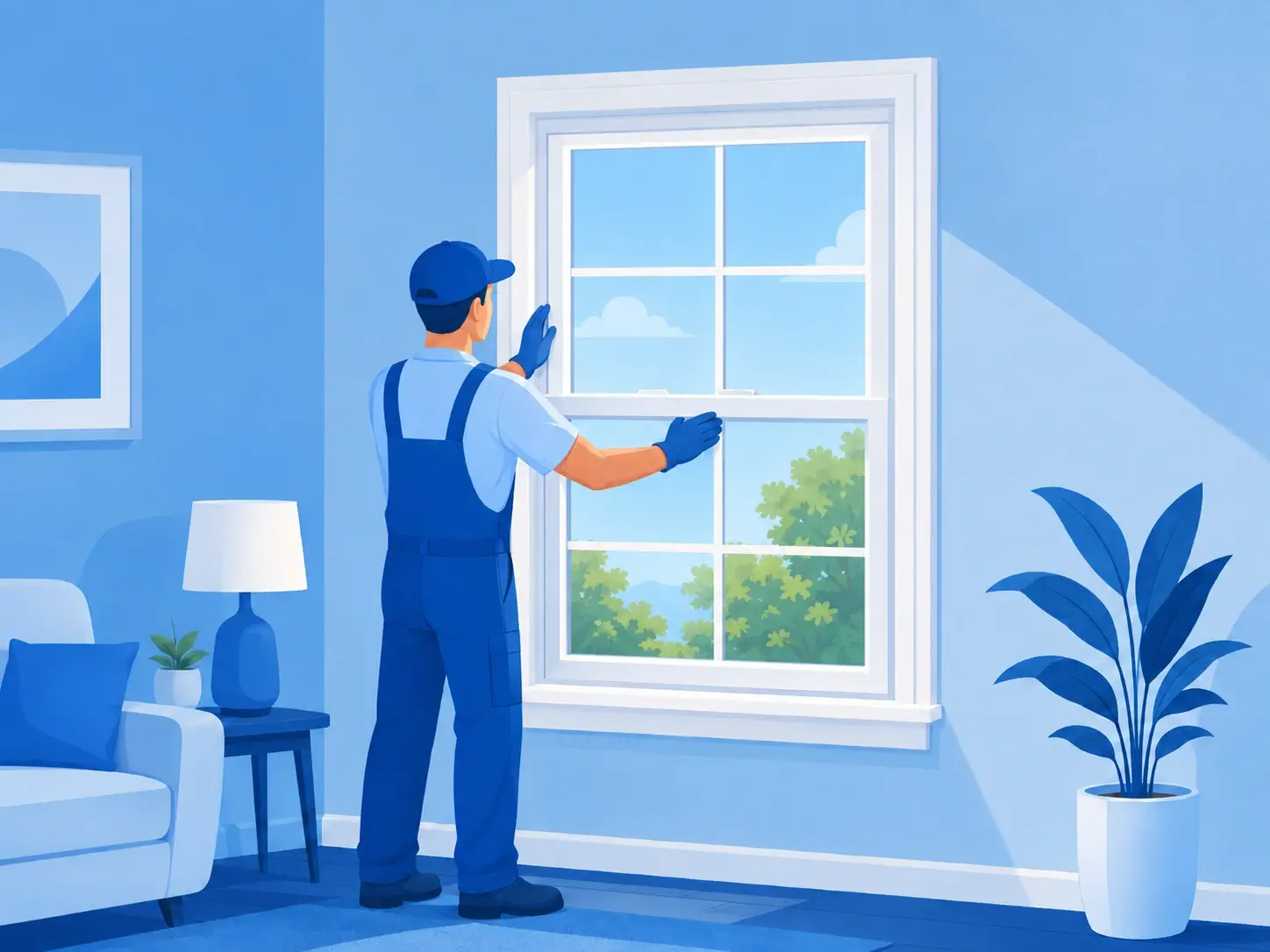
Choosing replacement windows is not just a matter of picking a frame color and glass package. The way a window opens, the amount of glass it provides, and where it is installed can affect ventilation, cleaning, furniture placement, natural light, exterior appearance, and how comfortable the room feels throughout the year.
That is why the “best” window style is rarely the same for every opening in a home. A double-hung window may be ideal for an upstairs bedroom, while a casement window may make more sense over a kitchen counter. A picture window can turn a good view into a focal point, while a bay or bow window can change the character of the entire room.
This guide compares the most common replacement window styles and explains how to choose based on the way you actually use each space. Homeowners planning a larger project can also explore Pinnacle’s main replacement windows page or our dedicated guide to window replacement in Marietta, GA.
Key Takeaways
- Start with how the room is used: Ventilation, cleaning access, furniture placement, privacy, and the view should influence the window style before appearance alone.
- No single window style is best everywhere: Many successful replacement projects combine double-hung, casement, sliding, picture, bay, bow, and specialty windows throughout the home.
- Operating style and energy performance are not the same thing: The frame, glass package, spacer system, installation quality, U-factor, solar heat gain coefficient, and air leakage rating all matter.
- Fixed windows usually provide the clearest view: Picture windows have no moving sash or screen, but they do not provide ventilation and must be paired with operable windows where airflow is needed.
- Installation remains critical: Even a well-selected, high-performance window may underperform if it is measured, flashed, sealed, and installed incorrectly.
Why Window Style Matters More Than Most Homeowners Expect
Two windows can use similar glass and frame materials but feel completely different in daily use. The operating style determines where the screen sits, how much of the opening can be used for ventilation, whether the sash tilts or swings for cleaning, and how much frame is visible around the glass.
Window style can also affect the room layout. A casement window that opens outward may work well above a countertop, while a double-hung window may be more practical near a walkway, patio, porch, or deck because it does not project outward. A wide sliding window can fit a horizontal opening that would look awkward with a tall, narrow design.
The goal is not to choose the most impressive style on paper. It is to match each opening to the priorities of the room.
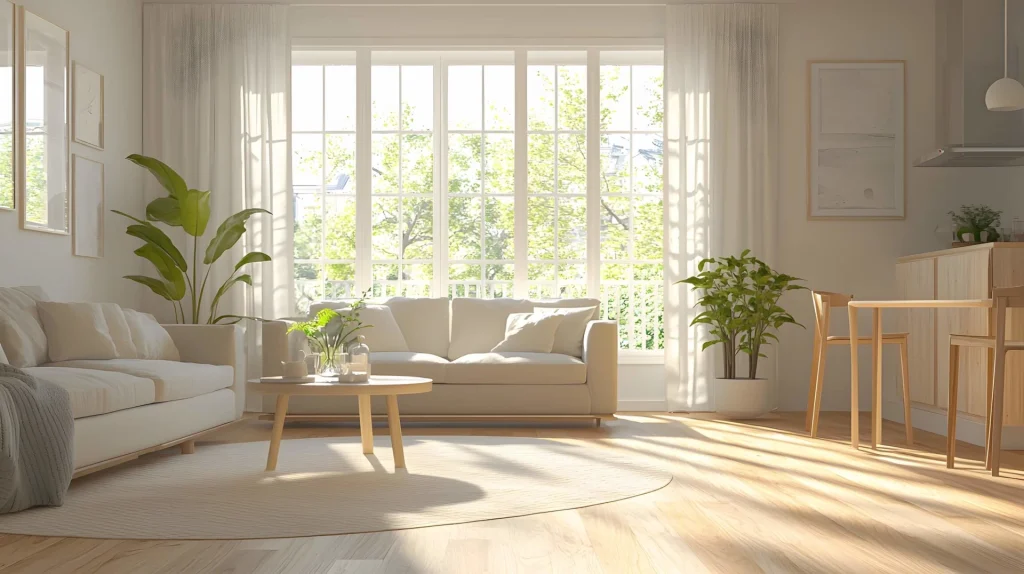
Replacement Window Styles at a Glance
Double-Hung Windows
- Ventilation: Good, with upper and lower sash options.
- View: Traditional appearance divided by a meeting rail.
- Cleaning: Convenient when both sashes tilt inward.
- Often Works Well In: Bedrooms, living rooms, traditional homes, and upper floors.
- Important Consideration: More frame and hardware are visible than with a fixed window.
Casement Windows
Sliding Windows
- Ventilation: Good, depending on the selected configuration.
- View: Well suited to wide horizontal openings.
- Cleaning: Simple, with removable or tilting sash options on some products.
- Often Works Well In: Family rooms, basements, ranch homes, and wide openings.
- Important Consideration: Tracks should remain clean for smooth operation.
Picture Windows
- Ventilation: None.
- View: Excellent, with minimal visual interruption.
- Cleaning: The interior is simple, but exterior access depends on placement.
- Often Works Well In: Living rooms, stairwells, vaulted spaces, and scenic-view areas.
- Important Consideration: Pair with operable windows where airflow is needed.
Bay and Bow Windows
- Ventilation: Varies based on the operating side units.
- View: Expansive, with multiple viewing angles.
- Cleaning: More involved because the assembly contains multiple units.
- Often Works Well In: Front rooms, breakfast areas, reading spaces, and architectural focal points.
- Important Consideration: Requires careful support, insulation, flashing, and finishing.
Specialty Shape Windows
- Ventilation: Usually none.
- View: Decorative and highly customized.
- Cleaning: Depends on height and placement.
- Often Works Well In: Gables, entryways, staircases, and custom architectural openings.
- Important Consideration: The shape, glass area, and trim should complement the home.
This comparison is a starting point. Product construction, size, hardware, glass selection, and installation can change how an individual window performs.
Double-Hung Windows: Familiar, Flexible, and Easy to Live With
Double-hung windows remain popular because they fit a wide range of architectural styles and daily needs. Both the upper and lower sashes can move, allowing homeowners to open the bottom, lower the top, or use both openings for ventilation.
Many modern double-hung windows also allow the sashes to tilt inward. This can make exterior glass cleaning much easier, particularly on upper floors where outside access is limited.
Double-hung windows may be a strong choice when:
- You want a traditional appearance that works with many home styles.
- You need an operable window near a patio, walkway, porch, or deck.
- Easy interior cleaning is important.
- You prefer flexible ventilation from the top or bottom sash.
- You want consistency across bedrooms and other repeated openings.
Consider another style when:
- Your top priority is the widest possible uninterrupted view.
- The opening is positioned above a deep counter or furniture that makes the sash difficult to reach.
- A very wide horizontal opening would be better served by a sliding window.
Pinnacle offers several OKNA double-hung window options, along with additional styles and configurations through its replacement window product lines.
Casement Windows: Strong Ventilation and a Clean View
Casement windows are hinged on one side and open outward, typically with a crank or similar operating mechanism. Because the sash opens away from the frame, the window can provide a broad area for airflow and a relatively open view.
Casement windows can be especially useful in locations where pushing a sash up or pulling it down would be awkward. A crank-operated window above a kitchen sink or countertop may be easier to use than a traditional hung window.
The U.S. Department of Energy notes that casement windows generally have lower air leakage rates than sliding styles because the sash closes by pressing against the frame. That does not mean every casement automatically outperforms every double-hung or sliding window. Homeowners should still compare the certified ratings of the exact product and glass configuration being considered.
Casement windows may be a strong choice when:
- You want generous ventilation.
- You prefer fewer visual divisions across the glass.
- The window sits above a sink, counter, desk, or other obstruction.
- You like a cleaner or more contemporary appearance.
- You want an operating style that uses a compression-style seal when closed.
Consider another style when:
- The open sash would project into a walkway, deck, porch, shrub, or outdoor living area.
- You prefer the simple up-and-down operation of a double-hung window.
- The opening is very wide and better suited to a horizontal slider or combination unit.
See the available OKNA casement windows and Starmark casement windows for product-specific details.
Sliding Windows: A Practical Fit for Wide Openings
Sliding windows move horizontally along a track. They are often a natural fit for openings that are wider than they are tall, including many ranch-style homes, family rooms, basements, and additions.
The operation is simple, and the sash does not project into the room or outside. Depending on the configuration, one sash may slide while the other remains fixed, or both sides may be operable.
Sliding windows may be a strong choice when:
- The wall opening is wide and horizontal.
- You want simple operation with no outward projection.
- You want broad glass areas without using a completely fixed window.
- The window is placed near a patio, porch, walkway, or landscaping.
- The home’s architecture favors long horizontal lines.
Consider another style when:
- You want the top-and-bottom ventilation options of a double-hung window.
- You want a crank-operated style for a difficult-to-reach location.
- Your highest priority is minimizing air leakage and another operating style has better certified ratings for the products being compared.
Explore OKNA sliding windows and Starmark sliding windows.
Picture Windows: Maximum Glass, Light, and View
A picture window does not open. That may sound limiting, but the lack of moving components is exactly what makes this style so effective in the right location. With no operable sash, lock, or screen, a picture window can provide a larger, cleaner area of glass.
Picture windows are often used to frame a view, increase daylight, or create a focal point. They can also be combined with double-hung or casement windows so the center remains visually open while the side units provide ventilation.
Picture windows may be a strong choice when:
- The view is more important than ventilation.
- You want more natural light and less visible hardware.
- The window is in a stairwell, vaulted wall, foyer, or other difficult-to-operate location.
- You are designing a combination window with operable units on one or both sides.
- You want a fixed unit that can be built into a larger architectural arrangement.
Consider another style when:
- The room depends on that opening for fresh air.
- Exterior cleaning access would be unusually difficult.
- The opening may need to satisfy emergency escape or rescue requirements.
Compare OKNA picture windows and the available fixed-window configurations for your project.
Bay and Bow Windows: More Than a Window Replacement
Bay and bow windows project outward from the exterior wall. A bay window usually uses three primary sections, while a bow window typically creates a gentler curve with four or more units. Both can increase the sense of space, bring in light from multiple directions, and create a strong architectural feature.
These units may include a fixed center window with operable side windows, or another combination selected for the room. Because the assembly extends beyond the wall, the project requires careful attention to support, insulation, flashing, roofing or capping details, and interior finishing.
Bay or bow windows may be a strong choice when:
- You want to create a visual focal point inside and outside the home.
- You want light and views from more than one direction.
- You want to create a shelf, display area, breakfast nook, or reading space.
- The front elevation would benefit from greater depth and architectural character.
- You are prepared for a more involved installation than a standard flat replacement window.
Consider another style when:
- You want the simplest and least disruptive replacement approach.
- The wall, roofline, landscaping, or exterior layout does not allow enough projection.
- You do not want the additional interior and exterior finishing that may be required.
Review the available OKNA bay and bow windows and Starmark bay and bow windows.
Specialty Shapes and Combination Windows
Not every opening needs to be rectangular or operable. Arched tops, circles, half-rounds, triangles, trapezoids, transoms, and other specialty shapes can repeat architectural details already present in the home or create a new focal point.
Combination windows can also solve several goals at once. A large picture window can be paired with casements for ventilation. A group of double-hung windows can fill a wide wall while maintaining a traditional appearance. A specialty shape can sit above an operable unit to add height and daylight.
The key is coordination. Grid patterns, frame proportions, glass tint, trim, and sightlines should feel intentional across the full arrangement.
A Room-by-Room Window Style Guide
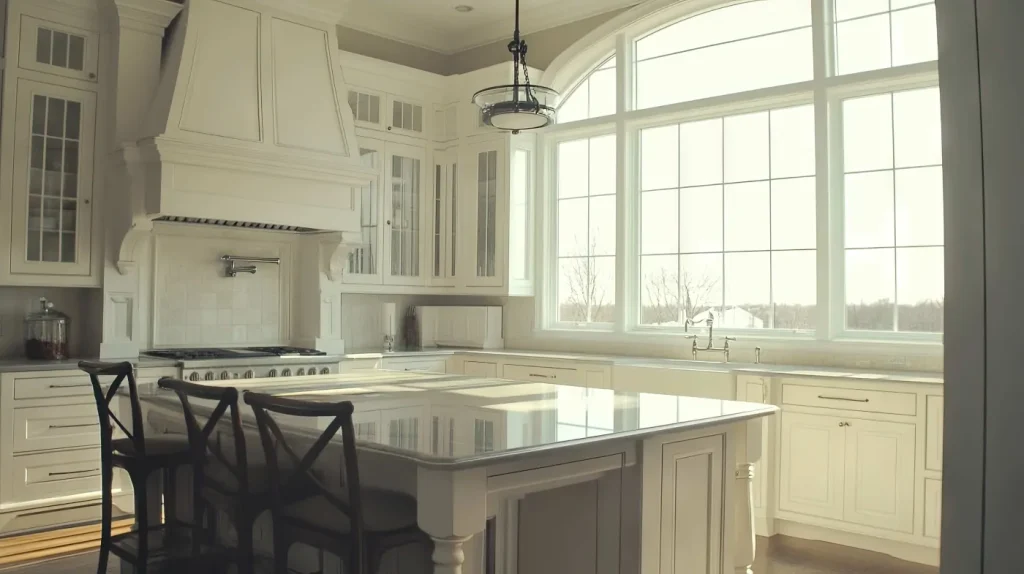
Kitchen
Casement windows are often practical over sinks and counters because they can be operated with a crank rather than requiring the user to lift a sash. Picture windows can work well when the view and daylight matter more than ventilation. Double-hung windows may still be appropriate when the opening is easy to reach.
Living Room or Family Room
These spaces often benefit from larger glass areas. Picture windows, bay windows, bow windows, grouped casements, or combinations of fixed and operable units can create a focal point without giving up all ventilation.
Bedrooms
Double-hung and casement windows are common choices because they provide ventilation and can be configured for a variety of opening sizes. Bedroom windows may also need to satisfy local emergency escape and rescue requirements, so style, clear opening size, sill height, and local code requirements should be reviewed before ordering.
Bathroom
Ventilation and privacy often compete in bathrooms. Operable windows can help with airflow, while obscure glass or thoughtful placement can protect privacy. The best style depends on the opening height, accessibility, and whether a separate exhaust fan is present.
Home Office
A picture window can provide a clear view, while casement or double-hung windows add ventilation. Consider screen placement, glare, and where a desk or monitor will sit before selecting the final configuration.
Basement
Sliding windows often fit wide, short openings. In finished bedrooms or sleeping areas, the window may need to meet emergency escape and rescue requirements, which should be confirmed for the specific opening and jurisdiction.
Stairwell, Foyer, or Vaulted Wall
Fixed picture windows and specialty shapes can bring daylight into areas where operating a window would be impractical. Exterior cleaning and long-term access should still be considered.
The 60-Second Window Style Test
For each opening, answer these five questions:
- Does this room need ventilation from this specific window?
If not, a picture or specialty window may provide more glass and a cleaner view. - Can the window be reached easily?
A casement can be easier to operate over a counter, while a double-hung may be easier in an open wall area. - Will the open sash interfere with anything outside?
Casements open outward, so check decks, sidewalks, shrubs, and outdoor living areas. - Is the opening tall, wide, or unusually shaped?
Double-hung windows often suit vertical proportions, while sliding windows fit many horizontal openings. - What matters most here: airflow, view, cleaning, or architectural impact?
The highest priority usually points toward the most appropriate style.
A useful rule: Do not choose every window from the front elevation alone. A window must work from the inside, too. Check furniture, counters, wall space, privacy, cleaning access, and how people move through the room.
How Window Style Affects Energy Performance
Window style can influence air leakage and the amount of frame versus glass, but it is only one part of energy performance. A well-made double-hung window with an appropriate glass package can outperform a lower-quality casement. A fixed picture window may have fewer potential air-leakage points, but it still needs the correct glazing, frame, spacer system, and installation.
When comparing products, look beyond broad labels and ask for the ratings of the exact window configuration. The National Fenestration Rating Council evaluates measurements that include:
- U-factor: How well the product limits non-solar heat transfer. Lower values indicate better insulating performance.
- Solar Heat Gain Coefficient (SHGC): How much solar heat enters through the window. Lower values reduce solar heat gain.
- Visible Transmittance (VT): How much visible light passes through the product.
- Air Leakage: How much air passes through the window assembly under test conditions.
- Condensation Resistance: How well the product resists condensation under the NFRC test method.
ENERGY STAR requirements for windows vary by climate zone, which is another reason to evaluate the complete product rather than assuming one style or marketing phrase tells the whole story. Our guide to U-factor, SHGC, and window ratings explains these measurements in more detail.
Can You Mix Window Styles in the Same House?
Yes. In many homes, mixing styles produces a better result than forcing one style into every room.
The goal is not perfect uniformity. The goal is visual coordination. Frame color, grid pattern, glass appearance, trim, hardware finish, and sightlines can create consistency even when the operating styles change.
For example:
- Double-hung windows can be used across the front elevation for a traditional appearance.
- Casement windows can be used over kitchen counters or in rooms where wider ventilation is useful.
- Picture windows can anchor living-room combinations.
- Sliding windows can fit wide side or rear openings.
- A bay or bow window can become the focal point without requiring the same style elsewhere.
It is also possible to keep the visible street-facing windows highly consistent while selecting different operating styles on less prominent sides of the home.
Common Window Style Mistakes to Avoid
Choosing only by appearance
A window may look perfect in a brochure but be frustrating to operate once a sofa, counter, faucet, or desk is placed in front of it.
Ignoring the exterior clearance
An outward-opening casement should not collide with a deck railing, walkway, shrub, or frequently used outdoor area.
Using fixed windows where ventilation is needed
Picture windows provide a clear view, but they cannot replace operable windows in every room.
Assuming every product with the same style performs equally
Two double-hung windows can have very different frame construction, weatherstripping, glass packages, air leakage ratings, hardware, and warranties.
Overlooking cleaning and maintenance
Consider how both sides of the glass will be reached, especially on upper floors, above stairways, or behind landscaping.
Comparing quotes without confirming the exact window style
A quote that says only “replacement window” may not provide enough information. The estimate should identify the manufacturer, series, operating style, glass package, grid configuration, color, hardware, installation scope, trim work, disposal, and warranty details.
Our detailed guide to comparing window replacement quotes provides a checklist of items homeowners should verify before selecting a contractor.
Questions to Ask Before Ordering Replacement Windows
- Which windows need to open, and which could remain fixed?
- How will each sash operate around counters, furniture, patios, porches, and landscaping?
- Can both sides of the glass be cleaned safely?
- Will the frame and meeting rails interrupt an important view?
- Does the room need privacy glass, tempered glass, or emergency escape capability?
- What are the certified U-factor, SHGC, VT, and air leakage ratings for the exact configuration?
- Will the selected style match the proportions and architecture of the home?
- What installation, trim, flashing, sealing, cleanup, and disposal work is included?
- What product and workmanship warranties apply?
Which Replacement Window Style Is Best?
The best style is the one that solves the needs of the specific opening without creating a new inconvenience. Double-hung windows provide familiar operation and convenient cleaning. Casements can offer generous airflow and a wide view. Sliding windows fit many horizontal openings. Picture windows maximize glass. Bay and bow windows add dimension and architectural impact.
Most homeowners do not need to choose one winner. A thoughtful replacement plan can use several styles while maintaining a consistent appearance throughout the home.
Pinnacle Window helps homeowners compare window styles, product lines, glass options, and installation details without high-pressure sales tactics. Explore our OKNA windows, Starmark windows, completed window and door projects, and verified customer reviews.
Ready to compare options for your home? Request a free window consultation or call (770) 928-9922.
Frequently Asked Questions About Replacement Window Styles
What is the most popular replacement window style?
Double-hung windows are a common choice because they work with many architectural styles, provide flexible ventilation, and often include tilt-in sashes for cleaning. Popularity should not be the only deciding factor, since another style may work better for a particular room or opening.
Which window style provides the clearest view?
Picture windows usually provide the clearest uninterrupted view because they have no operable sash, screen, or meeting rail. Casement windows can also provide broad glass areas while retaining ventilation.
Which window style is easiest to clean?
Many double-hung windows allow both sashes to tilt inward, making them convenient for upper floors. Casement windows may also be cleaned from inside when the sash opens far enough. Exterior access should be considered for fixed picture and specialty windows.
Are casement windows more energy efficient than double-hung windows?
Casement windows often use a compression-style seal and may have lower air leakage than some sliding designs, but style alone does not determine efficiency. Compare the U-factor, SHGC, air leakage rating, frame construction, glass package, and installation quality of the exact products.
Can picture windows be combined with windows that open?
Yes. Picture windows are commonly paired with double-hung or casement windows. This creates a larger central view while retaining ventilation through the operable side units.
Can different window styles still look consistent?
Yes. Consistent frame colors, grids, trim details, glass appearance, and proportions can tie multiple operating styles together across the same home.
What window styles work well for North Georgia homes?
Double-hung, casement, sliding, picture, bay, and bow windows can all work well in North Georgia when the product, glass package, installation, and room requirements are properly matched. Climate-specific performance ratings should be considered alongside style.
Technical references: U.S. Department of Energy, “Window Types and Technologies”; ENERGY STAR, “Residential Windows, Doors, and Skylights”; National Fenestration Rating Council residential performance ratings.
