
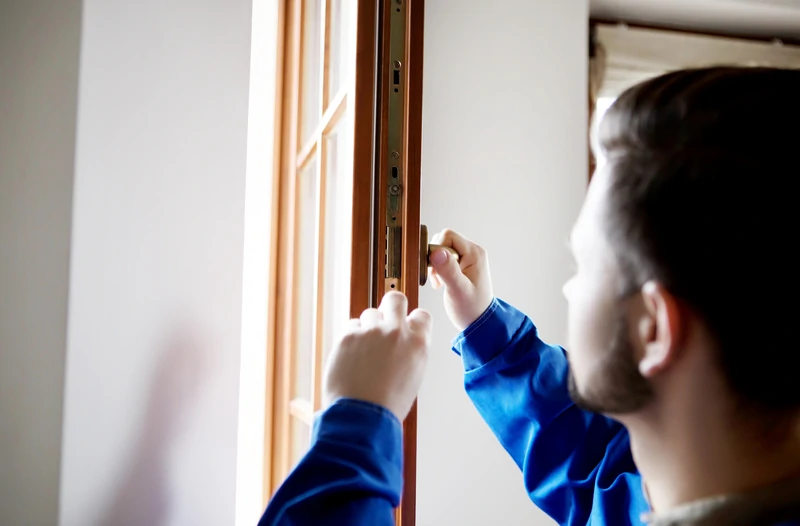
Most homeowners assume window performance comes down to the brand, the glass package, or the energy rating. In reality, even the best windows will underperform if they aren’t installed correctly. Proper window installation determines how well your windows seal, drain water, resist air leaks, and hold up over time—often more than the window itself.
If you’ve ever replaced windows only to still feel drafts, hear outside noise, or notice no change in comfort, you’re not alone. It’s one of the most frustrating upgrades homeowners make when expectations don’t match results.
The uncomfortable truth?
Windows don’t fail nearly as often as installations do.
A window is only as good as how it’s integrated into your home—how it’s sealed, supported, flashed, and aligned. Miss one of those steps, and even a top-tier product can struggle from day one.
Let’s break down why installation matters so much, where things commonly go wrong, and what actually separates a long-lasting, high-performing window from one that disappoints.
The Common Myth: “Good Windows Guarantee Good Results”
Window shopping tends to focus on:
- Glass packages
- Frame materials
- U-Factor and efficiency ratings
Those things matter—but only after installation is done correctly.
Windows aren’t standalone products. They’re part of a larger system that includes:
- The rough opening
- The weather barrier
- Insulation and air sealing
- Exterior cladding and trim
If that system isn’t handled properly, the window never gets a fair chance to perform the way it was designed to.
This is why homeowners sometimes replace windows for energy savings and still end up asking, “Why does this room feel exactly the same?”
Flashing Errors: Where Most Window Problems Begin
Flashing is one of the least visible parts of an installation—and one of the most important.
What flashing actually does
Flashing directs water away from the window opening. It works with gravity to keep moisture from sneaking behind siding or trim and into the wall system.
Common flashing mistakes
- No sill pan flashing at the bottom
- Flashing installed in the wrong order
- Tape-only solutions where rigid flashing is needed
- Relying on caulk as a waterproofing method
Why this matters
When flashing fails, water doesn’t always show up right away. It can travel inside walls, slowly causing:
- Rot
- Mold
- Structural damage
By the time stains or soft wood appear, the damage has usually been happening for years.
Foam, Backer Rod, and Caulk: Similar Materials, Very Different Jobs
These three materials are often lumped together, but each plays a specific role—and misuse causes problems.
Expanding foam
- Purpose: Insulation and air sealing
- Common issue: Overfilling can bow window frames, affecting operation
Backer rod
- Purpose: Controls the depth and shape of caulk joints
- Why it matters: Allows caulk to flex instead of crack
- Often skipped because it “takes extra time”
Caulk
- Purpose: Final weather seal
- What it’s not: A primary waterproofing solution
Caulk alone will eventually fail due to UV exposure, temperature swings, and natural movement. When it’s asked to do too much, leaks and drafts follow.
Square, Level, and Plumb: Why Precision Isn’t Optional
A window can look fine at a glance and still be installed incorrectly.
When windows aren’t square, level, and plumb:
- Sashes stick or don’t lock smoothly
- Gaps form unevenly around the frame
- Air and water infiltration increase
- Hardware wears out faster
These issues often get blamed on the window itself, when the real problem is how it was set into the opening.
Good installation accounts for real-world framing conditions—not every opening is perfect, especially in older homes.
Air Leaks vs. Water Leaks: What You Notice First (and What You Don’t)
Most homeowners notice air leaks long before water damage appears.
Air leaks feel like:
- Drafts near windows
- Rooms that won’t stay comfortable
- HVAC systems working harder than they should
Water leaks:
- Often remain hidden
- Show up later as peeling paint, swollen trim, or musty odors
Both are tied directly to installation quality—and both affect comfort, efficiency, and long-term durability.
If energy efficiency is a concern, you may also want to read “Is Your Home’s Energy Bill Too High? Your Windows Might Be to Blame!”, which explains how small gaps can quietly drive up monthly costs.
Why “Good Windows” Still Perform Badly
This is where frustration sets in.
Even premium windows can:
- Lose efficiency
- Develop leaks
- Feel flimsy or hard to operate
When installation is rushed or corners are cut:
- Ratings on paper don’t matter
- Materials can’t compensate
- Performance suffers immediately
This is also why homeowners sometimes assume they need replacement again far sooner than expected—when the original issue was never the window.
If you’re experiencing issues like drafts, sticking windows, or unexplained moisture, the chart below shows how common installation shortcuts translate into real problems inside the home.
Quick Chart: Installation Detail → Real-World Symptoms
When windows disappoint, these are the most common “behind-the-scenes” installation issues—and what they feel like in day-to-day life.
Flashing mistakes
Symptoms: Water stains, soft trim, or a musty smell—often showing up months or years later.
Air sealing shortcuts
Symptoms: Drafts near the window, hot/cold rooms, and HVAC that runs longer than it should.
Over-foaming
Symptoms: Sashes that stick, locks that don’t line up, or a window that suddenly feels “tight.”
Poor alignment
Symptoms: Hard to open/close, uneven gaps, rattles in the wind, or recurring air leaks.
Weak caulk joints
Symptoms: Cracking caulk, whistling noises, or small leaks that keep coming back.
Georgia climate stress
Symptoms: Seasonal swelling/sticking, condensation concerns, and higher leak risk during heavy rain and storms.
Georgia Homes Add Extra Challenges (Heat, Humidity, and Storms)
In Georgia, installation details matter even more.
- High humidity increases the risk of moisture intrusion and mold
- Intense heat causes expansion and contraction that stresses seals
- Heavy rain and storms test flashing and drainage systems repeatedly
A window that’s “good enough” in a mild climate may struggle here if installation isn’t dialed in.
This ties closely to what we’ve covered in “Storm-Ready Windows and Doors: What Georgia Homeowners Should Know”, where proper installation plays a major role in storm performance—not just impact ratings.
What to Look for in a Quality Window Installation (Without Being an Expert)
You don’t need to know construction jargon to spot good installation practices.
Before installation
- Clear explanation of the installation process
- Discussion of flashing and sealing—not just the window itself
- No vague “we’ve always done it this way” answers
During installation
- Care taken with interior protection
- Time spent prepping the opening
- No forcing or “making it fit”
After installation
- Smooth window operation
- Clean, even trim work
- Consistent seals and reveals
- Clear guidance on care and maintenance
If you’re still evaluating replacement options, “7 Things Most People Overlook When Buying New Windows” pairs well with this perspective.
Why Installation Expertise Matters More Than Brand Names
Window brands matter—but they’re only part of the equation.
Experienced installers:
- Adjust for framing imperfections
- Use proper flashing methods
- Understand how homes actually move and breathe
- Follow best practices consistently, not occasionally
That’s where long-term performance is decided—not in a brochure.
Key Takeaways
- Window performance depends more on installation than the product itself: Even high-quality windows can feel drafty, leak, or wear out early if they aren’t properly flashed, sealed, and aligned during installation.
- Flashing and water management are critical—and often overlooked: Improper flashing is one of the leading causes of hidden water damage around windows, leading to rot, mold, and costly repairs years after installation.
- Foam, backer rod, and caulk each serve a specific purpose: These materials are not interchangeable. When one is skipped or misused, air leaks, frame distortion, and premature seal failure are common.
- Windows must be installed square, level, and plumb to function correctly: Poor alignment can cause sticking sashes, failed locks, uneven gaps, and accelerated hardware wear—issues often blamed on the window instead of the install.
- In hot, humid, and storm-prone climates, installation details matter even more: Proper installation helps windows withstand moisture, temperature swings, and heavy rain, ensuring long-term comfort and durability in challenging conditions.
Final Thoughts: Windows Don’t Fail—Installations Do
When windows underperform, the product often gets blamed. But more often than not, the real issue lies in how the window was installed.
Proper installation delivers:
- Better comfort
- Improved efficiency
- Longer lifespan
- Fewer surprises down the road
So when you’re thinking about new windows, don’t just ask what you’re buying. Ask how it will be installed.
Because when installation is done right, windows finally get the chance to do what they were designed to do.
